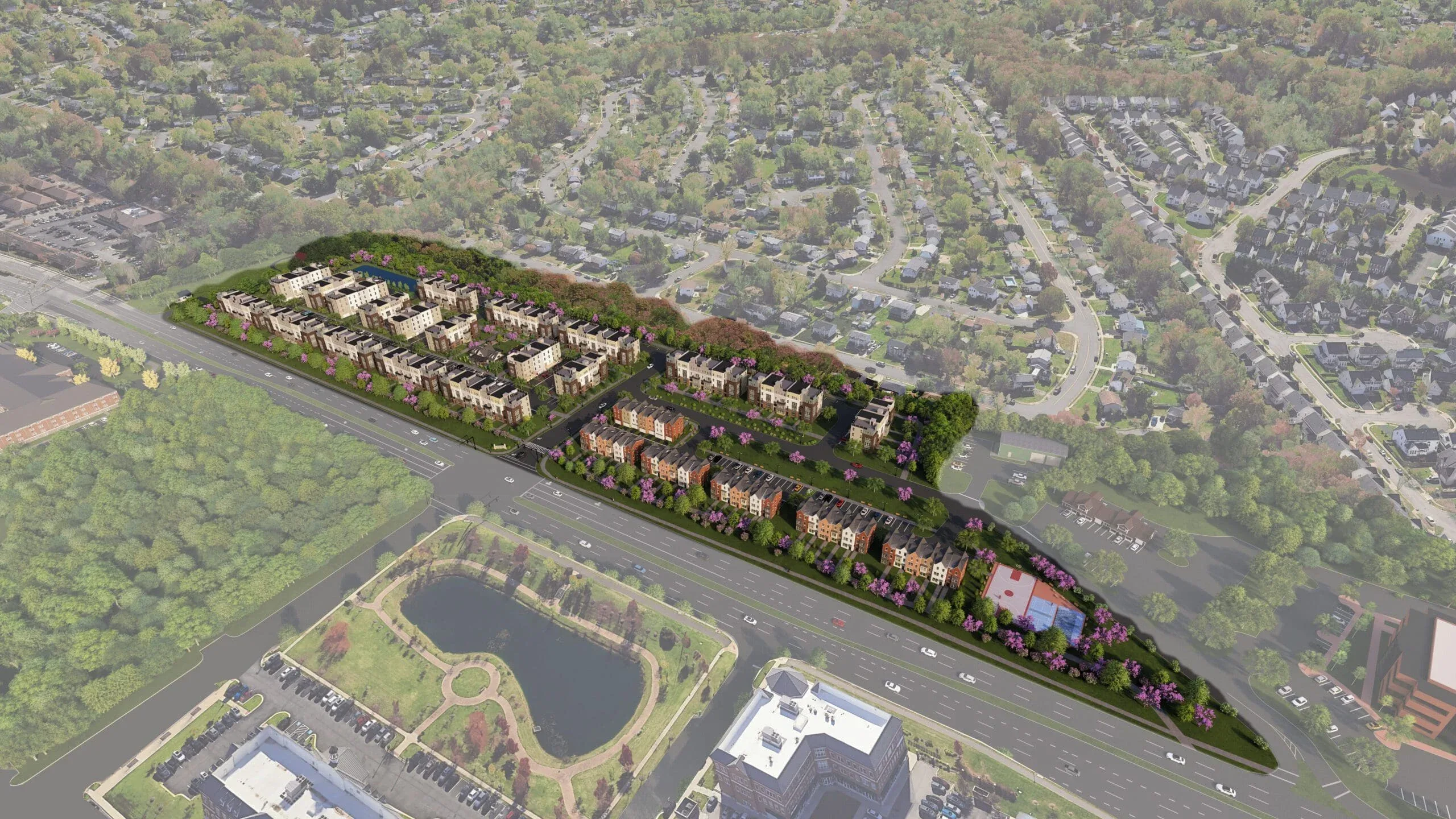
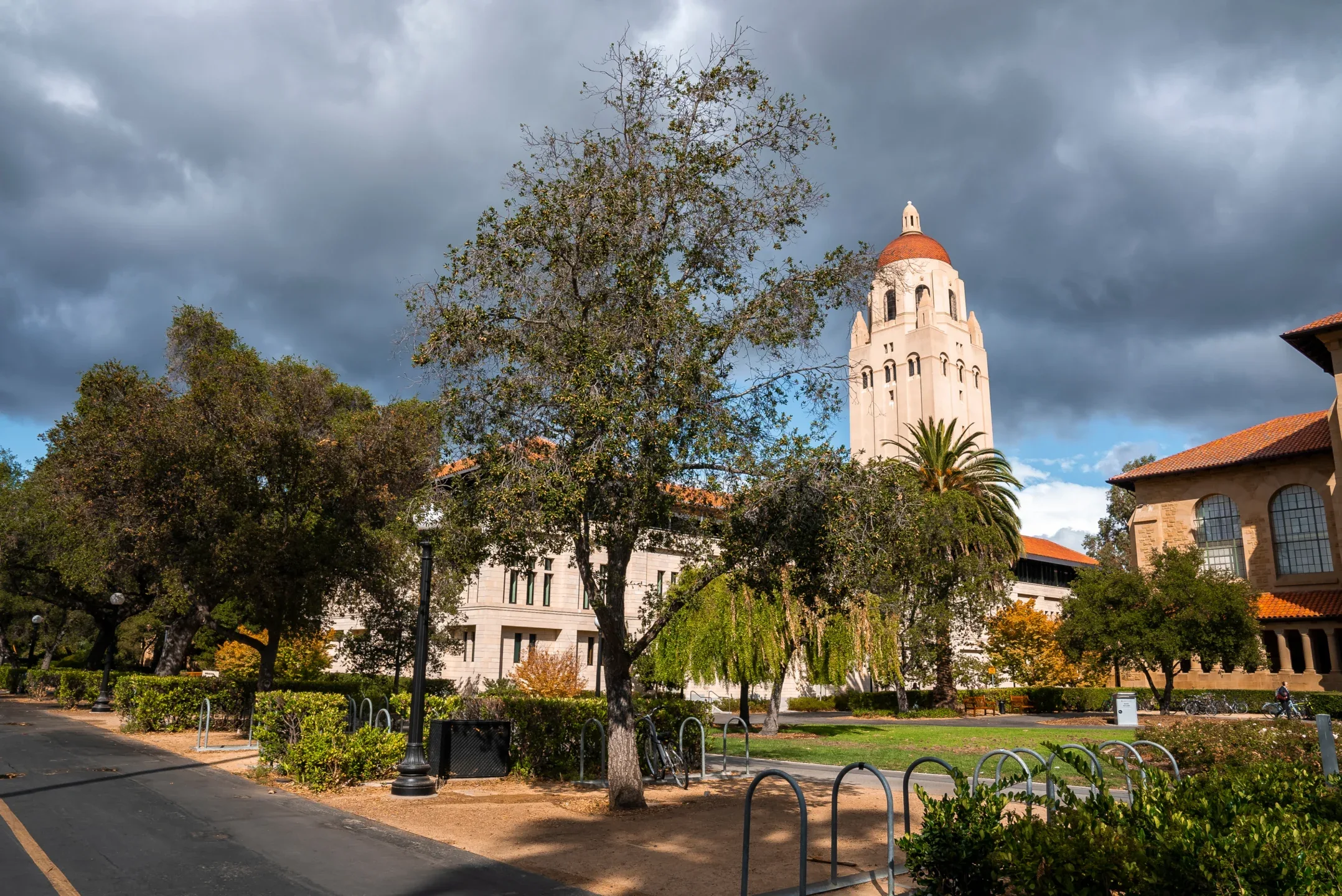
Research on high-performing Business Park Transportation Demand Management (TDM) programs was conducted to support potential strategies for reducing vehicle trips in Stanford Research Park (SRP). The focus was on identifying alternative transportation mode use and trip-reduction metrics from successful programs.
Literature Review and Case Studies
A comprehensive review of existing case studies and program documentation identified proven TDM strategies. Sources included Best Workplaces for Commuters (BWC), the National Center for Transit Research (NCTR), Victoria Transport Policy Institute, Association for Commuter Transportation, and the Center for Urban Transportation Research at the University of South Florida. This review captured historical best practices, real-world outcomes, and performance metrics suitable for presentation to the City of Palo Alto.
Stakeholder Data and Program Insights
TDM data were gathered from large business parks and applicable Transportation Management Associations (TMAs) in the San Francisco Bay Area. Outreach for data sources included using the TRANSP-TDM listserv provided by the National TDM and Telework Clearinghouse. These data were summarized to show alternative transportation mode use and trip-reduction successes, capturing strategies that support the case that comprehensive TDM programs in SRP can reduce vehicle trips.
Program Benchmarking
TDM programs were also reviewed in other states, including Washington, Virginia, and North Carolina, to identify comparable office parks with similar commuting environments (e.g., not closely located to rail transit). Data from these programs were compared to vehicle trip reductions currently implemented and proposed for Stanford Research Park, highlighting opportunities for effective application.
Deliverables and Outcomes
The research provided a summary of historical and real-world best practices, best performance, and big-picture outcomes. The findings demonstrated that comprehensive TDM programs can significantly reduce vehicle trips, providing evidence suitable for presentation to the City of Palo Alto and informing program design for SRP.

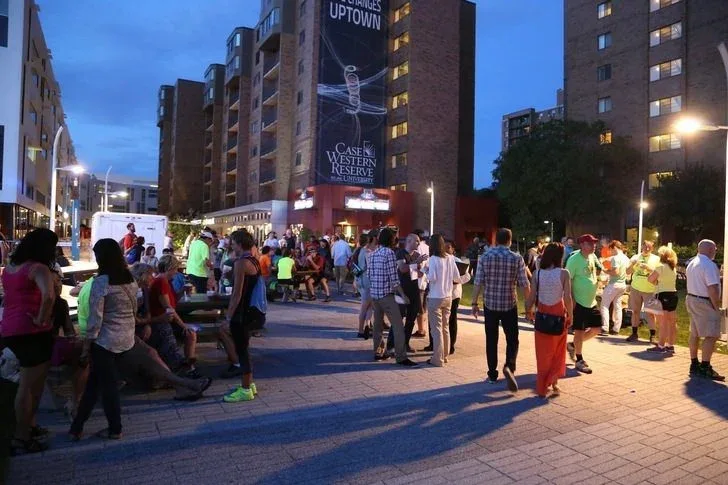 Cleveland’s University Circle: Using TDM to Improve Parking PerformanceCleveland’s University Circle: Using TDM to Improve Parking Performance
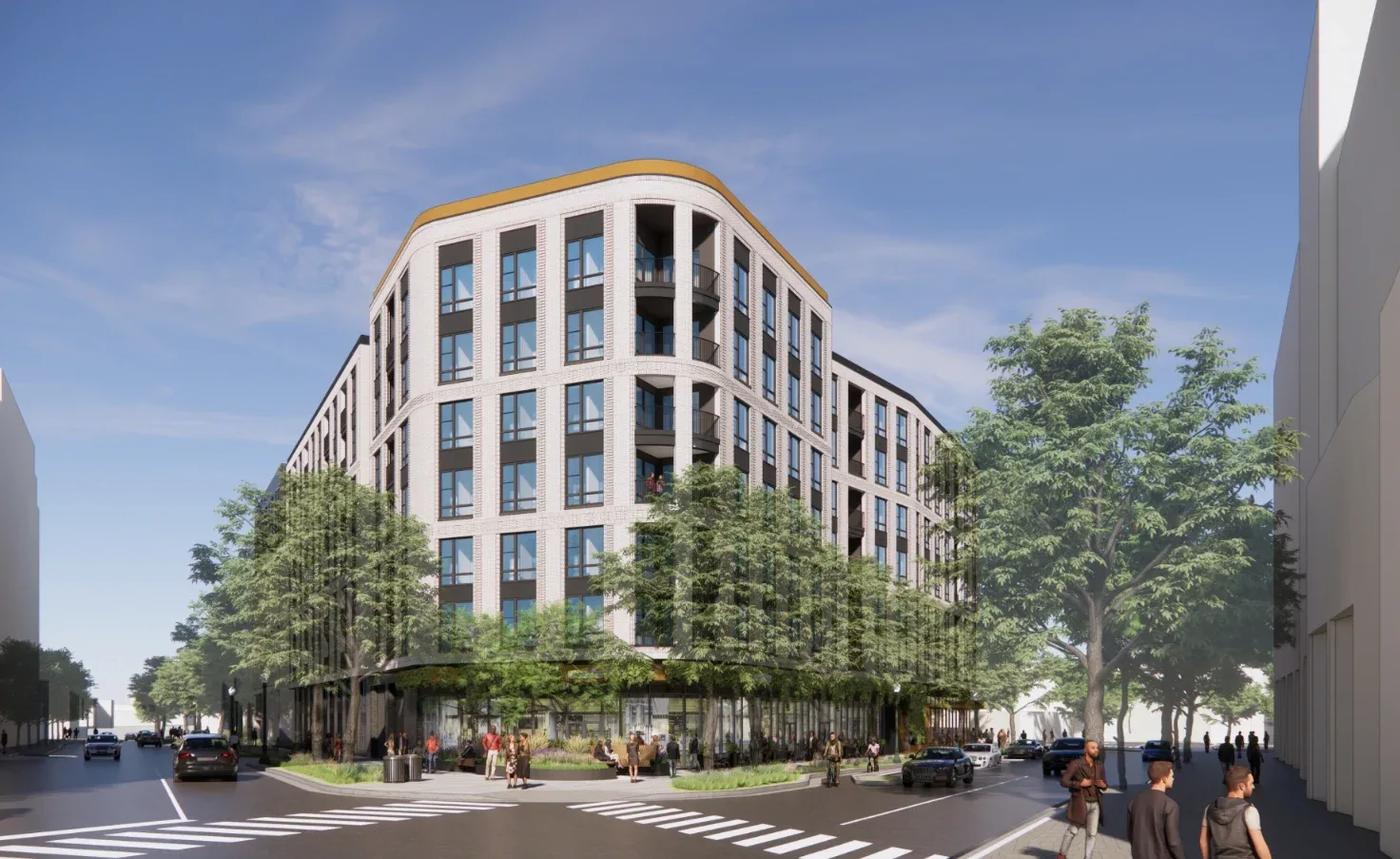
 TDM Implementation and Commute Program Management for South San Francisco SitesTDM Implementation and Commute Program Management for South San Francisco Sites
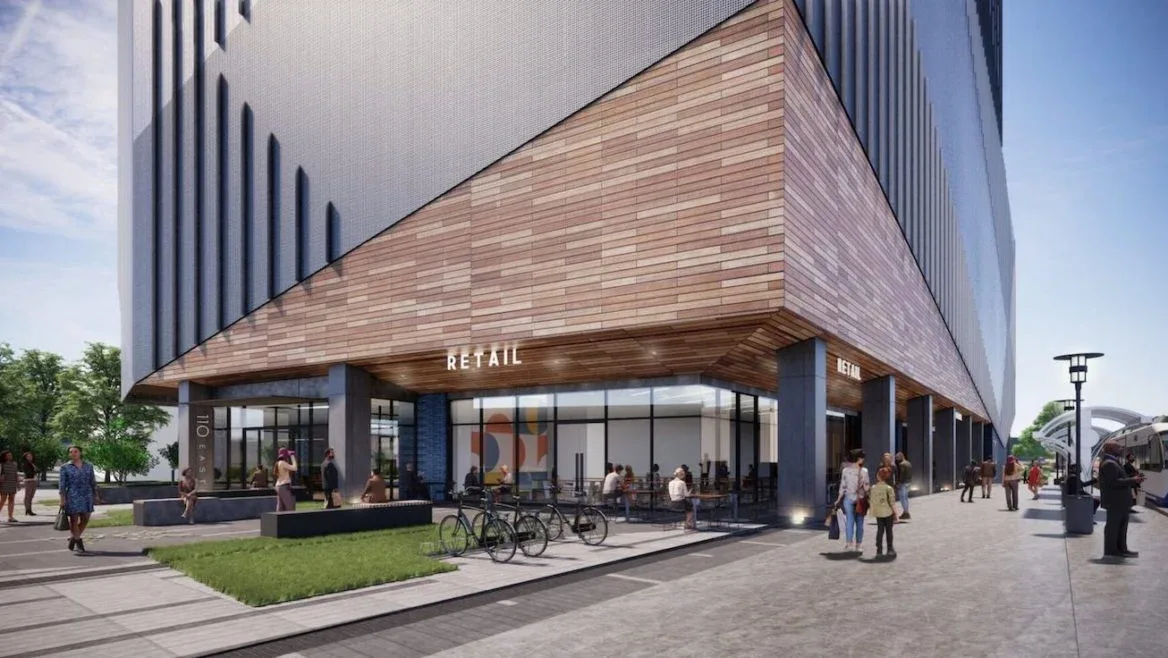 110 East: The First TDM Plan Approved in Charlotte, North Carolina110 East: The First TDM Plan Approved in Charlotte, North Carolina
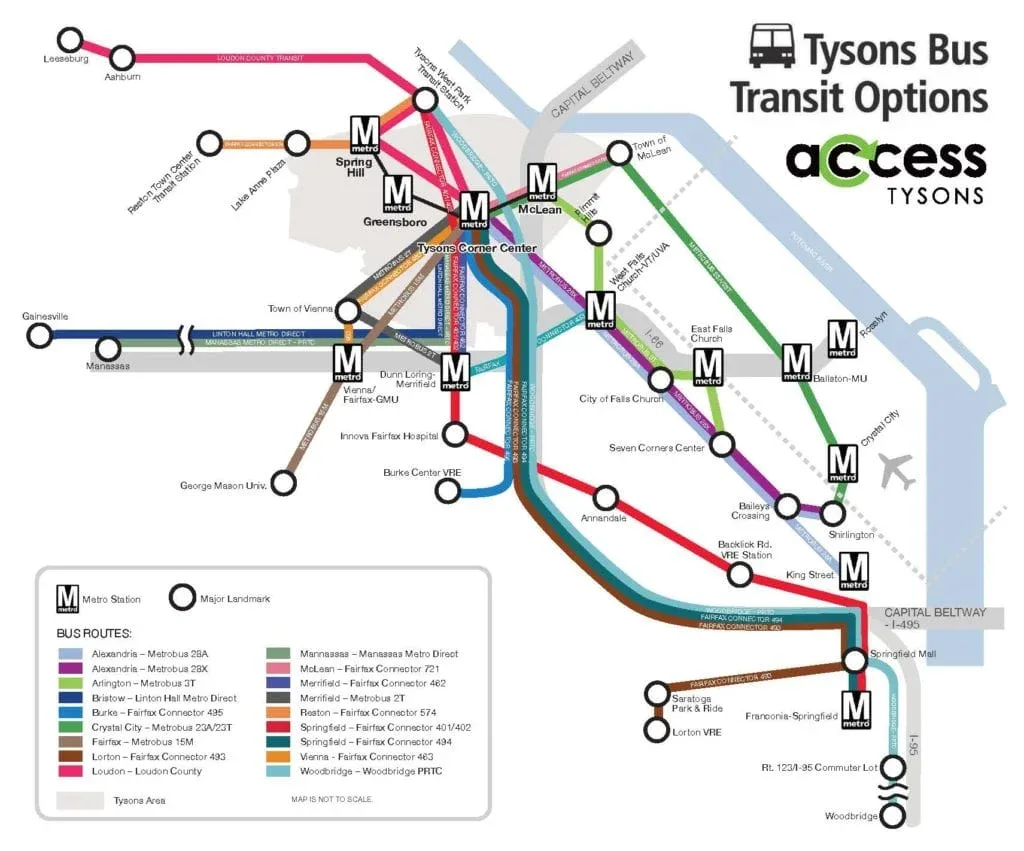 Access Tysons: TDM Surveys, Marketing, and PromotionsAccess Tysons: TDM Surveys, Marketing, and Promotions
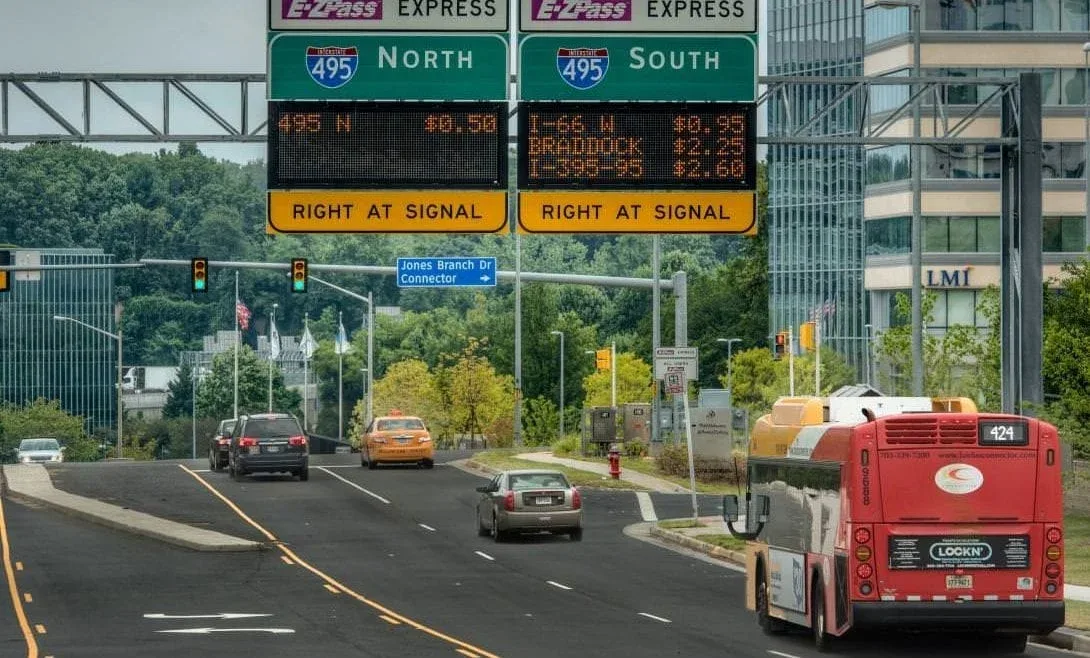 495 Express Lanes Bus Service495 Express Lanes Bus Service